




A fixed salary gives predictability, but it rarely gives room to breathe once rent, groceries, and everyday expenses are accounted for. Most people who track their monthly budget closely eventually reach the same conclusion, that the only real way to improve their financial situation is to add another source of income rather than wait for the next raise.
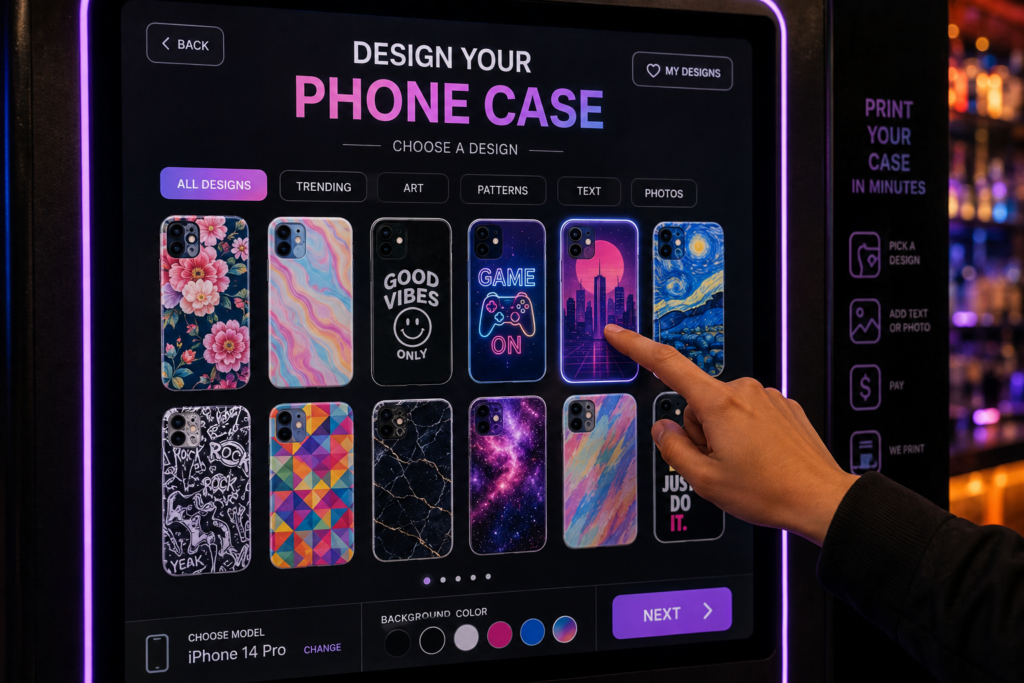
This is why small, manageable side businesses have started replacing the old idea of a second job. One option that keeps showing up in these conversations is a smart phone cover vending machine, since it works quietly in the background and does not demand the kind of daily time commitment a second job would.
Why a Second Job Rarely Works Long Term
Taking up a second job sounds like the obvious solution to a tight monthly budget, but in practice it often backfires. Working extra hours after a full day at the office leads to exhaustion, and that exhaustion eventually affects performance at the main job too. Most people who try this route end up quitting within a few months, not because the extra money was not needed, but because the time and energy cost was too high to sustain.
A better approach is finding an income source that does not compete directly with the hours already committed to a full time job. This is where a low maintenance business model becomes far more practical than simply working more hours.
Why a Vending Machine Fits Into a Salaried Routine
Unlike a second job, a vending machine does not require someone to be present during fixed hours. Once it is set up in a good location, it continues generating sales throughout the day without needing constant supervision. The owner’s involvement is limited to periodic restocking, usually once or twice a week, and occasional checks to make sure everything is functioning properly. This structure makes it realistic for someone working a standard nine to six job to manage the business on weekends or during a short window after work.
Phone covers specifically make sense as a product because demand stays fairly constant throughout the year. Cases wear out, crack, or simply go out of style, and there is always a new batch of customers looking to replace or upgrade theirs.
What the Monthly Numbers Typically Look Like
The appeal of this business is not about replacing a salary entirely, but about adding a steady supplementary amount every month. Margins per case tend to be healthy since the raw material cost is relatively low compared to the selling price, especially when the case is personalised or printed on demand. A machine placed in a decent footfall location, such as a mall corridor or near a college campus, can generate a meaningful number of sales daily, and those numbers add up over a full month.
It is worth being realistic in the early stages. The first couple of months are usually about understanding footfall patterns, testing popular designs, and figuring out the right restocking schedule. Once that data is available, monthly returns tend to become more predictable, which is exactly what someone looking to supplement a fixed salary needs.
Setting Up Without Disrupting a Regular Job
One of the reasons this model works well for salaried employees is the low weekly time commitment once the initial setup is complete. Choosing a location close to home or on the regular commute route makes restocking visits easy to fit into an existing schedule rather than requiring separate trips. Some owners also negotiate with mall management or property owners for flexible access hours, which keeps the maintenance side simple even with a full time job running in parallel.
Automating parts of the process helps too. Machines with straightforward software and clear stock indicators reduce the amount of manual checking required, which matters a lot for someone who can only dedicate a few hours a week to the business.
Treating It as a Long Term Add On, Not a Quick Fix
People who see the best results from this kind of business usually treat it as a long term addition to their income rather than a fast way to make extra money. Reinvesting early profits into a second machine, once the first one shows consistent performance, is a common way to scale without taking on excessive risk. This slow, steady approach fits well with the mindset of someone already used to managing a fixed monthly salary responsibly.
A Practical Way to Ease Financial Pressure
For many salaried professionals, the goal is not to become a full time entrepreneur but simply to create some breathing room in the monthly budget. An extra amount coming in consistently, even if modest, can cover a recurring expense, build up savings faster, or reduce dependence on credit for unplanned costs. A low maintenance business like this offers that cushion without asking someone to give up the stability of their main job.
Final Thoughts
A fixed salary does not have to be the only number that determines financial comfort each month. A small, well placed investment in a business like a vending machine can quietly add to that monthly income without demanding the time and energy a second job would. For anyone looking to ease financial pressure without disrupting their main career, this kind of steady, background income stream is worth serious consideration.